benzac
Prodotti simili
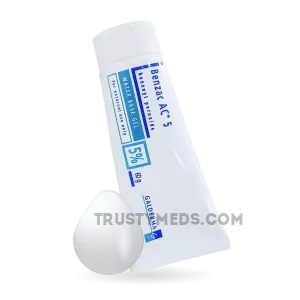
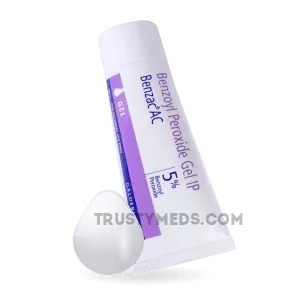

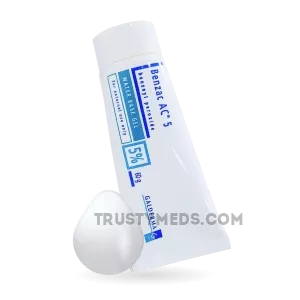
Benzoyl peroxide, or as it’s more commonly known in clinical shorthand, “benzac” – though that’s technically a brand name we all use generically – is one of those foundational agents in dermatology. It’s been on the shelves for decades, long before the current retinoid and microbiome crazes. But here’s the thing I’ve learned over 25 years in practice: foundations matter. When a patient comes in with inflammatory acne, my mind still goes to benzoyl peroxide first for a reason. It’s predictable. It’s effective. It’s relatively inexpensive. But using it well, that’s the art. It’s not just about slapping on a 10% cream and hoping for the best. The real story is in the vehicle, the concentration, and how you integrate it into a patient’s life to get compliance. I remember a formulation chemist from Galderma once telling me over a coffee at a conference, “We’re not selling the molecule, we’re selling the delivery system.” That stuck with me. Because with benzoyl peroxide, the difference between a treatment that gets used and one that sits in a drawer often comes down to whether it’s a drying, gritty wash or a soothing, micronized cream.
Benzac (Benzoyl Peroxide): Foundational Treatment for Acne Vulgaris - Evidence-Based Review
1. Introduction: What is Benzac (Benzoyl Peroxide)? Its Role in Modern Dermatology
When we talk about “Benzac,” we’re typically referring to topical formulations containing the active ingredient benzoyl peroxide (BPO). It’s classified as a first-line topical antimicrobial and keratolytic agent for the treatment of mild to moderate acne vulgaris. Despite the influx of new prescriptions, BPO remains a cornerstone in global treatment guidelines, including those from the American Academy of Dermatology and the European Dermatology Forum. Its significance lies in its dual-action mechanism: it is potently bactericidal against Cutibacterium acnes (formerly Propionibacterium acnes) and promotes follicular desquamation. For healthcare professionals and informed patients, understanding Benzac is essential because it’s often the bedrock upon which successful, multi-modal acne therapy is built.
2. Key Components and Formulation of Benzac
The efficacy and tolerability of Benzac are profoundly influenced by its formulation, not just its concentration. The core active, benzoyl peroxide, is an organic compound in the peroxide family. However, the “vehicle” – the cream, gel, wash, or foam it’s suspended in – is a critical component.
- Concentration: Available typically in 2.5%, 5%, and 10% strengths. A pivotal study in 2006 challenged the “more is better” assumption, demonstrating that 2.5% BPO was equally effective as 5% and 10% in reducing inflammatory lesions, but with significantly less irritation. This finding directly influenced clinical practice towards starting lower.
- Vehicle Technology: Modern formulations aim to enhance delivery and reduce side effects.
- Micronized BPO: Smaller particle sizes for more even distribution and potentially reduced irritation.
- Combination Vehicles: Emollient-rich creams for dry or sensitive skin, alcohol-based gels for oily skin, and foaming washes for broad application.
- Combination Products: Fixed-dose combinations with clindamycin or adapalene are common, leveraging synergistic effects to target multiple acne pathways simultaneously and improve adherence.
The bioavailability of topical BPO is primarily local, with minimal systemic absorption (approximately 5% of the applied dose), which contributes to its favorable safety profile.
3. Mechanism of Action of Benzac: Scientific Substantiation
So, how does this simple molecule do its work? Its mechanism is elegantly multi-targeted, which explains its enduring utility.
- Potent Antimicrobial Action: BPO is a powerful oxidizing agent. Upon application, it decomposes to release free oxygen radicals within the pilosebaceous follicle. These radicals directly oxidize and destroy C. acnes bacteria. Crucially, unlike antibiotics, BPO does not induce bacterial resistance. This is its killer feature in an era of antimicrobial stewardship. It makes BPO an ideal long-term agent or partner to topical antibiotics to prevent resistance.
- Keratolytic and Comedolytic Effects: BPO has a mild drying and peeling effect. It promotes the shedding of dead skin cells (desquamation) from the stratum corneum and the follicular epithelium. This helps prevent the hyperkeratinization that leads to microcomedone formation, the primary lesion of acne.
- Anti-Inflammatory Activity: Emerging evidence suggests BPO may have direct anti-inflammatory properties, possibly by reducing neutrophil recruitment and reactive oxygen species in the follicle.
Think of it as a one-two punch: it clears the bacterial overgrowth that fuels inflammation and helps keep the pore lining clear to prevent new blockages from forming.
4. Indications for Use: What is Benzac Effective For?
The primary and well-established indication is acne vulgaris. However, its use can be stratified based on acne type and severity.
Benzac for Mild to Moderate Inflammatory Acne
This is its sweet spot. As a monotherapy, BPO is highly effective for papules and pustules. For many patients, a well-tolerated BPO regimen is all that’s needed for control.
Benzac for Comedonal Acne (Blackheads & Whiteheads)
While retinoids are first-line for purely comedonal acne, BPO is a valuable adjunct due to its keratolytic action and is often found in combination products with adapalene.
Benzac as Maintenance Therapy
Due to the lack of resistance, BPO is arguably the best topical agent for long-term maintenance of clear skin after initial control is achieved with more aggressive regimens.
Benzac for Antibiotic Adjunct Therapy
When used in combination with topical antibiotics (e.g., clindamycin), BPO enhances efficacy and prevents the development of clindamycin-resistant C. acnes. This is a standard of care in moderate acne.
5. Instructions for Use: Dosage and Course of Administration
Proper application is key to efficacy and minimizing the initial “purge” or irritation. Here’s a standard protocol:
| Purpose / Skin Type | Recommended Strength & Form | Frequency & Instructions |
|---|---|---|
| Initiation / Sensitive Skin | 2.5% or 5% in a cream or wash-off formulation | Once daily (PM), apply a pea-sized amount to entire affected area after cleansing. Can increase to twice daily after 1-2 weeks if tolerated. |
| Oily / Tolerant Skin | 5% or 10% gel or foam | May start with once-daily (PM), advancing to twice daily (AM/PM) as tolerated. |
| As a Cleanser (Wash) | 5% or 10% wash | Use once or twice daily. Lather on damp skin, leave on for 20-30 seconds, then rinse thoroughly. Ideal for chest/back acne or as a gentle introduction. |
| Combination Therapy | Fixed-combination product (e.g., BPO/Clindamycin) | Apply once (PM) or twice daily as per product label and physician direction. |
Course of Administration: Acne therapy is long-term. Initial improvement may be seen in 2-4 weeks, but a minimum of 8-12 weeks is needed to assess full response. Maintenance therapy is often indefinite, though frequency may be reduced (e.g., every other night).
6. Contraindications and Drug Interactions of Benzac
Benzac is generally safe but has specific considerations.
- Contraindications: Known hypersensitivity to benzoyl peroxide or any component of the formulation.
- Common Side Effects: The most frequent are local and include dryness, peeling, erythema (redness), and a mild burning or stinging sensation. These are usually dose-dependent and often subside with continued use (acclimatization) or by reducing frequency.
- Important Interactions:
- Topical Retinoids: BPO can oxidize and inactivate tretinoin if applied simultaneously. The recommendation is to apply them at different times (e.g., retinoid at night, BPO in the morning) or use a stabilized formulation. Note: Adapalene is stable in combination with BPO.
- Discoloration: BPO is a potent bleaching agent. It can bleach colored hair, towels, and pillowcases. Patients should be warned.
- Pregnancy & Lactation: Topical BPO is generally categorized as Pregnancy Category C (US) due to a lack of well-controlled studies. Use during pregnancy or breastfeeding should be under medical supervision, weighing potential benefit against unknown risk.
7. Clinical Studies and Evidence Base for Benzac
The evidence for BPO is extensive and decades-deep. A landmark 1984 double-blind study published in the Journal of the American Academy of Dermatology established the dose-response curve. More recently, the 2006 study by Leyden et al. in Cutis was a game-changer, solidifying the role of lower concentrations (2.5%) for reduced irritation without loss of efficacy.
Combination therapy evidence is robust. A meta-analysis in the British Journal of Dermatology confirmed that the combination of BPO and clindamycin is superior to either agent alone for inflammatory lesions. Furthermore, the fixed-dose combination gel of adapalene 0.1% and BPO 2.5% (Epiduo) has demonstrated superiority to either monotherapy, vehicle, and even oral doxycycline in some study parameters, highlighting the power of multi-targeted topical therapy.
8. Comparing Benzac with Similar Products and Choosing a Quality Product
When patients ask “which acne treatment is better?”, the answer is contextual.
- Benzac vs. Topical Antibiotics (Clindamycin, Erythromycin): BPO is superior in preventing resistance and is often equally effective. Antibiotics are rarely used as long-term monotherapy.
- Benzac vs. Topical Retinoids (Tretinoin, Adapalene): These work differently. Retinoids are gold-standard for comedones and normalizing follicular turnover; BPO is superior for immediate antibacterial effect. They are complementary, not competitive.
- Benzac vs. Salicylic Acid: Both are keratolytics. Salicylic acid is milder and better for purely comedonal acne or very sensitive skin. BPO has the added, crucial antibacterial component.
- Benzac vs. Azelaic Acid: Azelaic acid has antibacterial, anti-inflammatory, and depigmenting effects but is generally less potent than BPO for inflammatory acne. It’s a good alternative for those who cannot tolerate BPO.
Choosing a Quality Product: Look for:
- A reputable manufacturer (pharmaceutical vs. purely cosmetic).
- A concentration appropriate for your skin (start low).
- A vehicle that matches your skin type (cream for dry, gel for oily).
- For combination therapy, consider a prescribed fixed-dose product for proven stability and adherence.
9. Frequently Asked Questions (FAQ) about Benzac
How long does it take for Benzac to work on acne?
You may see some improvement in 2-4 weeks, but a significant reduction in inflammatory lesions typically takes 6-8 weeks of consistent, daily use. Comedones may take longer.
Can Benzac make acne worse at first?
Yes, a mild “purge” characterized by increased peeling or a slight flare in existing lesions can occur in the first few weeks as the skin acclimates and deep-seated comedones surface. This is usually temporary.
Can I use Benzac with moisturizer?
Absolutely. In fact, it’s recommended. Apply a non-comedogenic moisturizer after the BPO has fully dried (wait 10-15 minutes). This helps mitigate dryness and irritation, improving tolerance.
Is Benzac safe to use every day?
For most patients, yes. Daily use is often required for initial control and maintenance. If excessive irritation occurs, reduce frequency to every other night until the skin adjusts.
Does Benzac expire?
Yes, typically within 2-3 years of manufacture. Expired BPO loses potency. Also, note that the product may separate or change color if stored improperly (keep at room temperature, away from light).
10. Conclusion: Validity of Benzac Use in Clinical Practice
In conclusion, Benzac (benzoyl peroxide) maintains an unequivocal role as a first-line, evidence-based intervention for acne vulgaris. Its unique combination of bactericidal action without resistance, comedolytic activity, and favorable safety profile makes it indispensable. The clinical art lies in selecting the appropriate concentration and vehicle for the individual patient, managing initial side effects to ensure adherence, and strategically combining it with other agents like retinoids for comprehensive, long-term disease management. For both healthcare professionals and informed patients, it remains a foundational tool in the dermatologic arsenal.
Personal Anecdote & Clinical Experience:
Let me tell you about Sarah, a 28-year-old graphic designer who came to me frustrated. She’d been on three different oral antibiotic cycles over five years. Each time, her moderate papulopustular acne would clear, then roar back a month after stopping. She was convinced her gut was “ruined.” My resident at the time was keen to jump straight to isotretinoin. I pushed back. “Let’s reset her skin’s ecosystem first,” I said. We started with a simple, boring regimen: a 5% benzoyl peroxide wash in the shower every morning, and a pea-sized amount of 2.5% BPO/1% clindamycin gel at night. Just that. I told her to expect two weeks of dryness. She messaged at week three saying it was “too gentle, not working.” I urged her to stick it out. At week eight, she was in my office, almost disbelieving. The active inflammation was 80% gone. The real win? At her 6-month follow-up, she was still clear, using the BPO wash daily and the combo gel just 2-3 times a week for maintenance. No antibiotics in sight.
That case, and hundreds like it, cemented my view. We had a huge internal debate in our department last year about deprescribing. The lead pharmacist argued our BPO/clindamycin script rates were too high with new retinoid combinations available. But the data from our own clinic audits showed something else: for our adolescent population, especially young men who wouldn’t adhere to a multi-step routine, the single BPO/clindamycin gel applied after football practice was the only thing that worked consistently. The compliance rate was double that of separate bottles. Sometimes, the older, simpler tool is the right one.
The struggle, honestly, is the initial irritation. I’ve had patients give up in week two. We failed with a young woman with rosacea-prone skin who we mistakenly started on a 10% gel; it caused a significant irritant dermatitis that set back her trust for months. We learned. Now, we almost always initiate with the wash-off form or the lowest cream concentration. It’s a slower start, but the finish line is more reliably crossed.
I saw Sarah last month for an unrelated issue. Three years on from that first appointment. Her skin is still maintained with that same BPO wash. She joked that it’s the most reliable thing in her life. That’s the longitudinal follow-up you don’t always see in the RCTs: the quiet, sustained control that lets people forget they even have a chronic condition. That’s the real goal, isn’t it? And sometimes, the molecule that gets us there is one that’s been on the shelf, quietly waiting, for half a century.
More info:
Popular Products
benzac ac gel
Benzac AC Gel è un farmaco topico da banco, un gel per uso cutaneo, che contiene come principio attivo il perossido di benzoile. Appartiene alla classe degli antimicrobici e cheratolitici ed è indicato principalmente per il trattamento dell’acne vulgaris lieve e moderata. La sua azione si basa su tre pilastri: attività antibatterica contro Cutibacterium acnes (precedentemente Propionibacterium acnes), effetto comedolitico per sciogliere i tappi di sebo e cellule morte che ostruiscono i follicoli, e una lieve azione antinfiammatoria.
singulair
Il Singulair, nome commerciale del principio attivo montelukast, non è un integratore alimentare né un dispositivo medico, ma un farmaco antileucotrienico disponibile solo su prescrizione medica. Occupa una nicchia terapeutica ben definita, agendo su una via infiammatoria specifica diversa da quella dei corticosteroidi. La sua introduzione ha rappresentato un passo avanti significativo nella gestione cronica di alcune condizioni allergiche e asmatiche, offrendo un’opzione orale non steroidea. La sua storia è interessante: sviluppato come antagonista dei recettori dei leucotrieni, ha portato nella pratica clinica quotidiana un concetto di “modulazione” piuttosto che di soppressione generale dell’infiammazione.
tadarise pro
Tadarise Pro è un farmaco da prescrizione utilizzato nel trattamento della disfunzione erettile (DE) e dei sintomi dell’ipertrofia prostatica benigna (IPB), come il flusso urinario debole. Contiene due principi attivi: Tadalafil, un inibitore della fosfodiesterasi di tipo 5 (PDE5), e Dapoxetina, un inibitore selettivo della ricaptazione della serotonina (SSRI) a breve durata d’azione. Questa combinazione unica lo rende uno degli approcci farmacologici più completi per gli uomini che affrontano sia la DE che l’eiaculazione precoce (EP), condizioni che spesso coesistono e si influenzano a vicenda.
yaz
Prodotto: Yaz è un contraccettivo orale combinato (COC) a basso dosaggio, contenente gli ormoni etinilestradiolo (un estrogeno) e drospirenone (un progestinico). È classificato come farmaco di prescrizione e non come integratore alimentare o dispositivo medico. Il suo ruolo principale è la prevenzione della gravidanza, ma possiede indicazioni aggiuntive approvate per il trattamento dell’acne moderata nelle donne che scelgono la contraccezione orale e per i sintomi del disturbo disforico premestruale (PMDD).
trazodone
Trazodone è un farmaco appartenente alla classe degli antidepressivi serotoninergici, specificamente un antagonista e inibitore del reuptake della serotonina (SARI). Approvato inizialmente per il trattamento della depressione maggiore, il suo profilo farmacologico unico, caratterizzato da una marcata sedazione e un basso potenziale di effetti anticolinergici, ne ha decretato un utilizzo estremamente diffuso, e spesso off-label, nel trattamento dell’insonnia, in particolare dell’insonnia iniziale (difficoltà ad addormentarsi). La sua versatilità lo rende un cardine nella pratica clinica psichiatrica e non solo, ponendolo al centro di un dibattito continuo su indicazioni, dosaggi e gestione degli effetti collaterali.
retino a cream 0 05
Prodotto: Retin-A Cream 0.05% (Tretinoina crema 0.05%) Principio Attivo: Tretinoina (acido tutto-trans retinoico) 0.05% (0.5 mg/g). Categoria: Farmaco topico da prescrizione (classe AIC). Derivato della vitamina A. Forma Farmaceutica: Crema. Confezione: Tubo da 20 g o 30 g. Titolare AIC: Varia a seconda del produttore e del paese (es., Janssen-Cilag per la formulazione originale). Introduzione: Cos’è la Retin-A Cream 0.05%? Il Ruolo della Tretinoina in Dermatologia La Retin-A Cream 0.05% rappresenta un caposaldo della terapia dermatologica topica da decenni.
Astralean: Modulazione del Sistema Nervoso Autonomo per la Gestione del Dolore Cronico e dell'Infiammazione - Monografia Basata su Evidenze
Product Description: Astralean rappresenta un dispositivo medico di classe IIa innovativo, progettato per la neuromodulazione non invasiva del nervo vago. Si basa sul principio della stimolazione transcutanea del nervo vago (tVNS) a livello dell’orecchio esterno, una zona ricca di ramificazioni vagali. Il dispositivo è costituito da un generatore di impulsi elettrici a bassa intensità e da elettrodi auricolari ergonomici. È indicato come terapia aggiuntiva per la gestione di condizioni croniche legate a disregolazione del sistema nervoso autonomo e dell’asse infiammatorio.
montair
Il prodotto in questione, che chiameremo “Montair” per questo documento, non è un farmaco, ma un integratore alimentare formulato con principi attivi che mirano a modulare la risposta infiammatoria delle vie aeree, in particolare quella mediata dai leucotrieni. La sua composizione si ispira al meccanismo d’azione di una nota classe di farmaci, ma è cruciale sottolineare che, come integratore, non intende trattare, curare o prevenire alcuna malattia. Il suo ruolo si colloca nell’ambio del supporto al benessere respiratorio generale, ed è spesso ricercato da consumatori informati che cercano approcci complementari.
kemadrin
Procyclidina cloridrato, commercializzata con il nome di Kemadrin, è un agente anticolinergico di sintesi appartenente alla classe degli antagonisti dei recettori muscarinici dell’acetilcolina. Storicamente impiegato nel controllo dei sintomi extrapiramidali indotti da farmaci antipsicotici (neurollettici), il suo utilizzo nella pratica clinica contemporanea è diventato più selettivo, sebbene rimanga un presidio terapeutico fondamentale in specifici scenari neurologici. La sua azione principale si esplica a livello del sistema nervoso centrale, dove antagonizza l’eccessiva attività colinergica, ripristinando un equilibrio tra i sistemi dopaminergico e colinergico nei gangli della base.